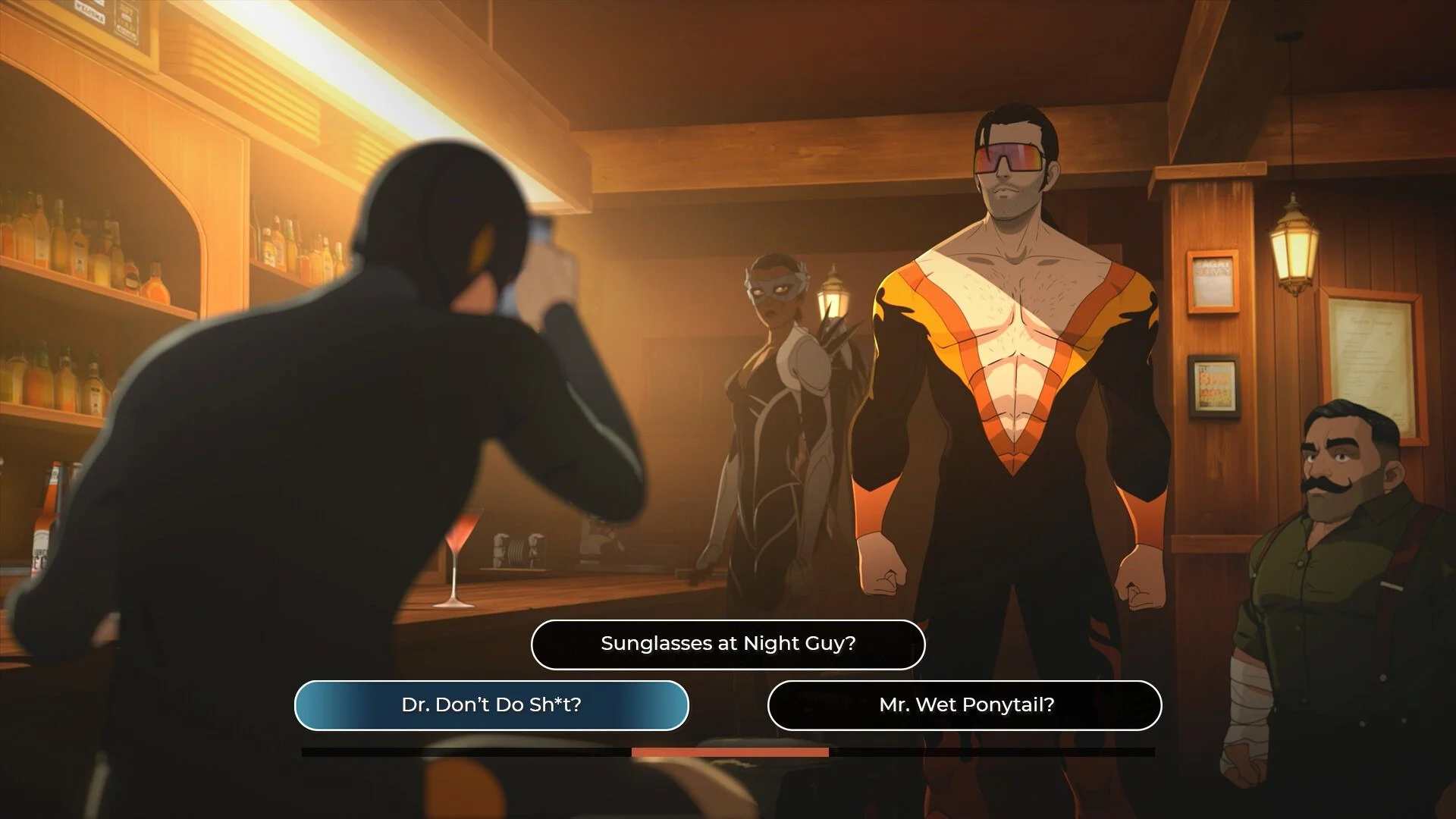
Dispatch: Building a Hero Without a Mask
As the year comes to an end, I give myself a break from the seriously busy schedule of a freelancer; sipping tea, admiring the trees outside my house, and taking deep breaths until a new project arrives. Not a fan of going broke during the holiday season.
This busy contemplation led to several names that stood out for me this year: Clair Obscur: Expedition 33, Arc Raiders, and Ghost of Yōtei being my favorites. And, since I’ve always been a diehard fan of narrative-driven games, it’s been a good year for people like me!
However, my perception of linear storytelling took a gentle dip in the cold, experimental waters poured by writers who weren’t afraid to play around the superhero tropes many of us roll our eyes at. AdHoc Studio dropped a powerful bomb with this one: Dispatch, a title by some of the people who poured their souls into Telltale Games.
Dispatch, in all its narrative-driven glory, asks you to handle a team of good-for-nothing supervillains until they’re good-for-something. Essentially, they become a part of your life in an indistinguishable way. In the shoes (and mecha suit) of Robert, you must journey through difficult decisions, conversations, and perhaps pick a person to pour your heart into.
Spoiler Alert: Duh! Go play the game and come back.
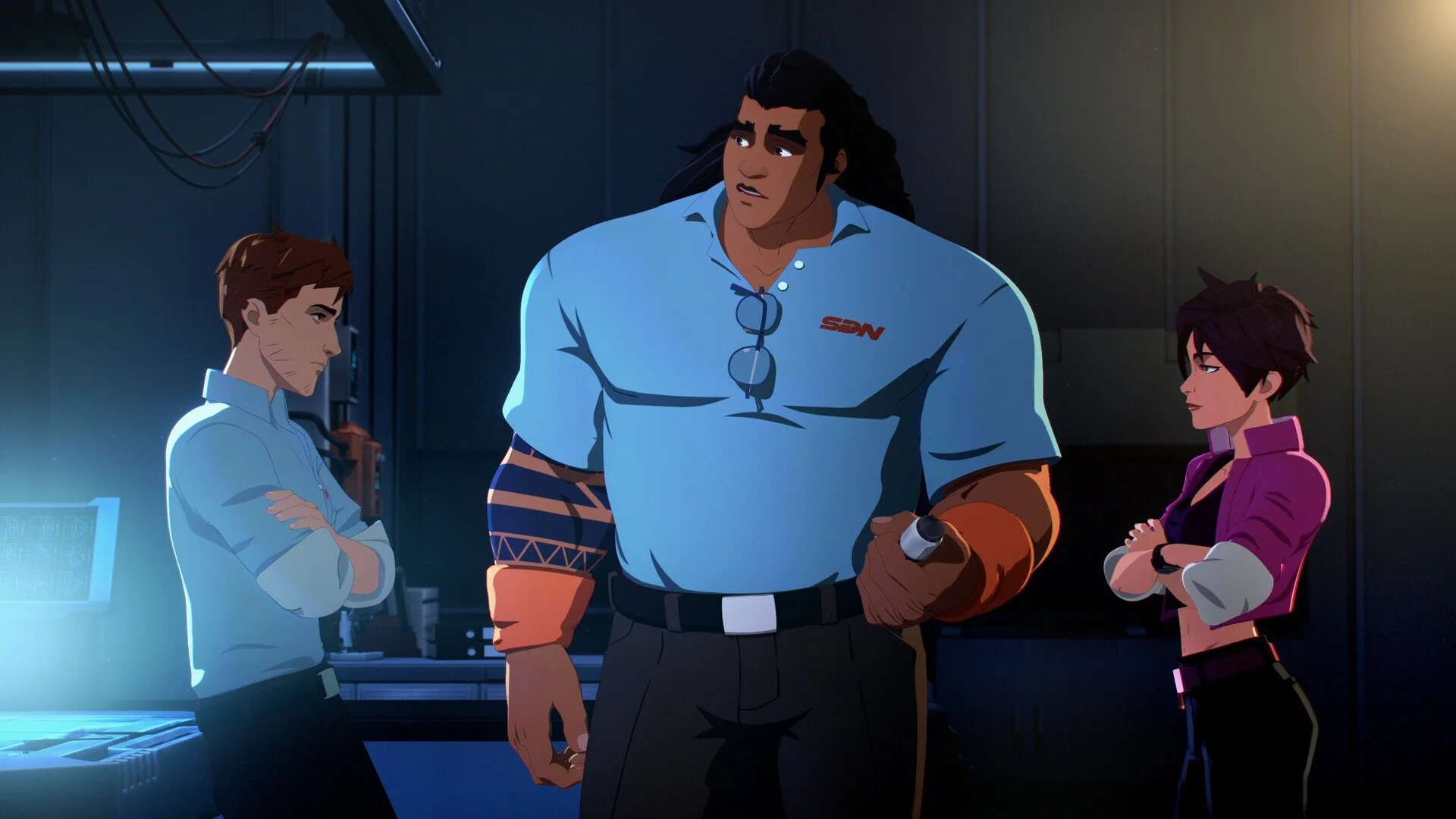
Is that a bird? Is that a plane? That’s just Robert in a lot of pain.
Outside the clutches of capitalist merchandising and endless series of films, superheroes promise us something spectacular: Hope. This four-letter-word of humankind’s believable niche can be characterized by extraordinary traits.
Some fly, some turn invisible, some can kick you precisely where the sun don’t shine, while others sit at the desk, making sure the world doesn’t come to an end. Between those responsibilities, Robert acts as someone who helplessly seeks to find purpose in his life after bidding farewell to his Mecha Man persona.
For a man who has lost something that made him a hero in the eyes of the world, where must he go? For better or for worse, he finds his place at the headquarters in charge of a team of supernatural beings. Through the game, the player shapes Robert’s ideals around superheroes. What makes one, anyway?
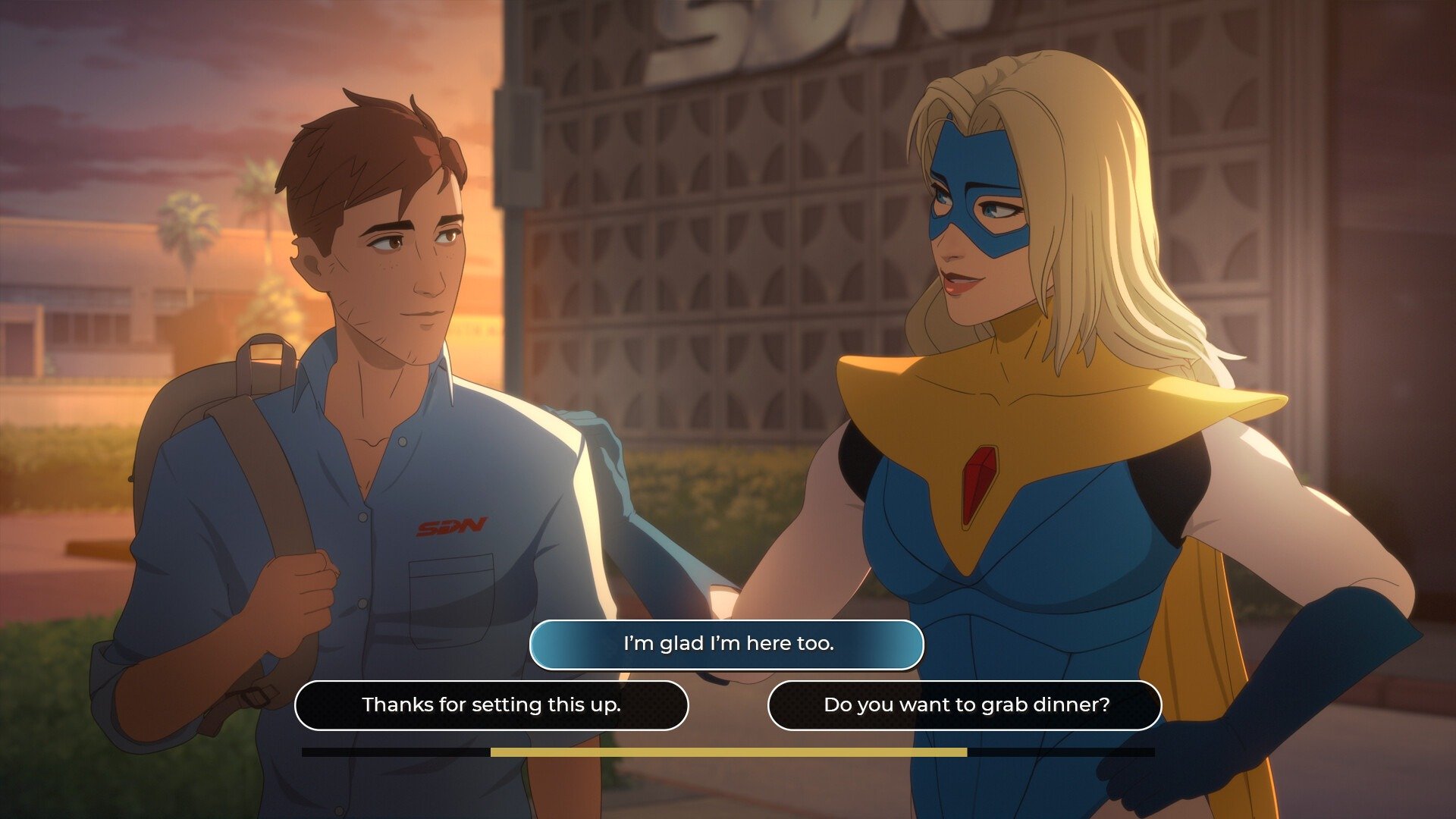
Shaping, breaking, and writing beliefs.
To say that Robert makes a man of himself out of scraps of metal and some good ol’ pep talk would be an insult to his conscience. After all, Dispatch has a wonderfully awkward way of testing your idea of righteousness.
Between making a few sacrifices for the greater good and writing a new book of rules, Dispatch treats you with the tough love of a caregiver most of us never had growing up. It urges you to ask questions about our sense of morality. Meanwhile, also pushing you to make a choice before the timer runs out, and you’ve been bonked in the head by a villain who never liked your face.
Right, wrong, and everything in between; these belief systems are often put to the test when Robert interacts with his peers and writes the fate of his team. More importantly, whether this team will come out as a bunch of heroes who saved the day, or a group of misfits who have no idea what they’re doing.
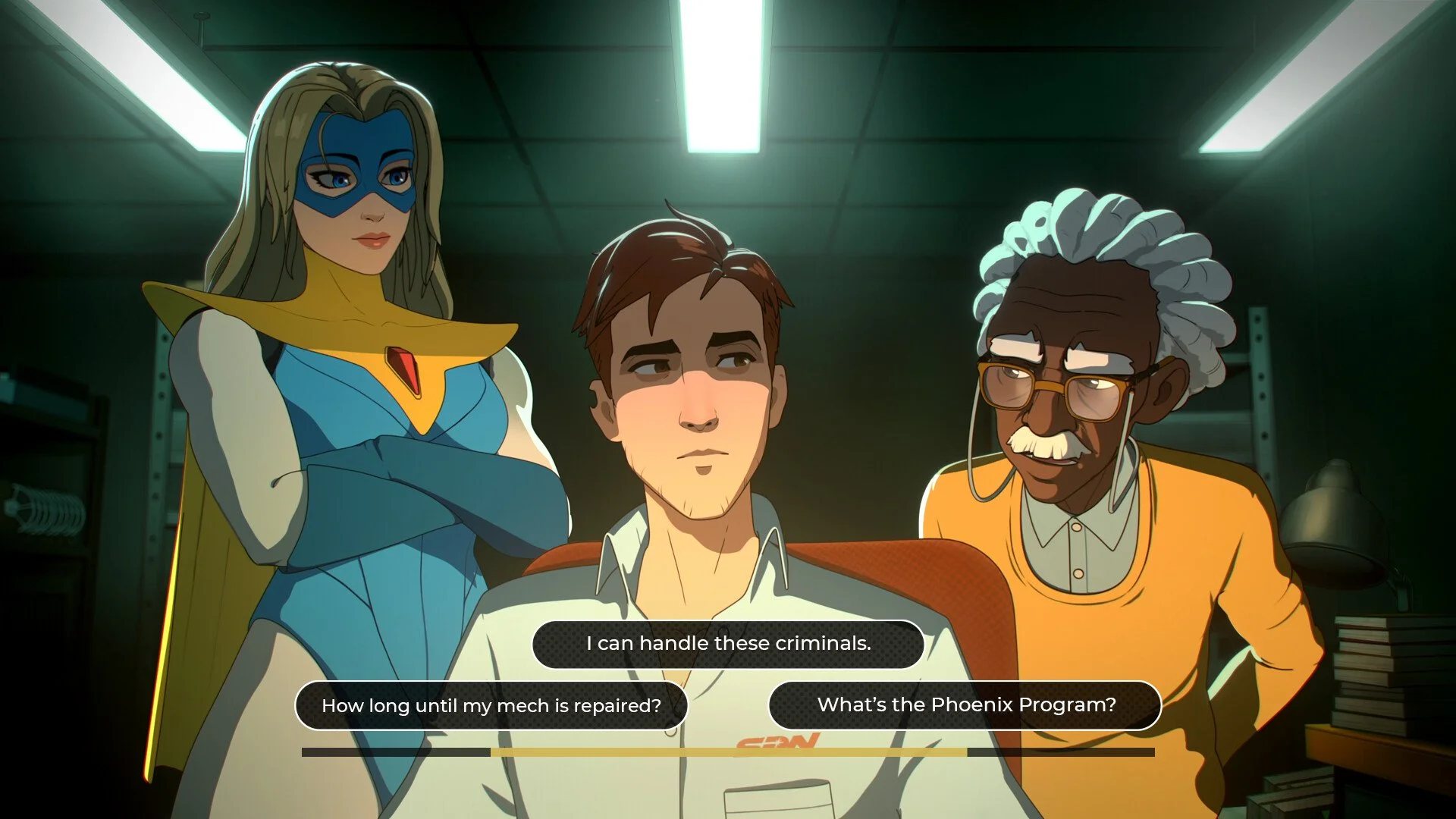
The subtle art of not having a F*mily.
A subtle, often overlooked part of Dispatch’s narrative holds hands with the idea of a family. Robert, fortunately, has a brother-like figure in his life who exists in synergy with his morality. For many of us, such heroes are likely to be found in fictional beings (all hail parasocial relationships) or in mentor figures we had growing up.
However, it’s in the idea of building a new family where Robert finds his calling. Despite feeling like an empty vessel of ordinary life, he chooses to light the path for others, in turn, lighting a path for himself.
More so, in the vulnerable moments found in dealing with the absurdity of humankind. Perhaps, obnoxiously, dropping the mask of superpowers let Robert’s team of heroes be who they were truly destined to be.
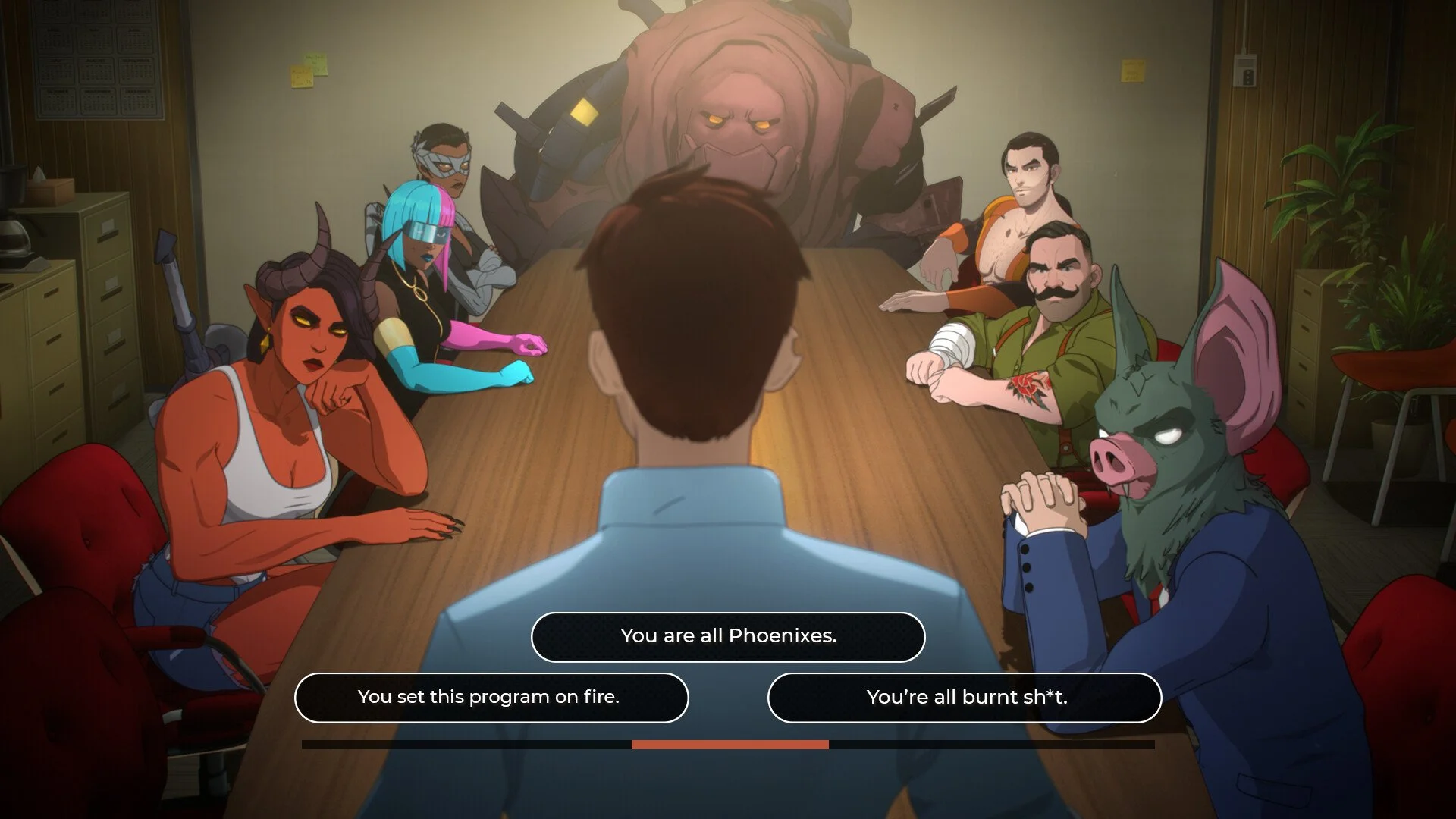
AdHoc makes gaslighting look good.
Through Dispatch’s nuanced storytelling, I found myself reflecting on the kind of man I would be if something like Robert’s life played close to mine. There’s certainly no Blonde Blazer or Insvigal out there to save me from myself, and boy, would I have a terrible time choosing between the two (a few women have come dangerously close, though).
After all, who am I to choose between the love of those whom I’ve merely felt the infatuation of? Yet, with all the wittiness and seriousness Dispatch brings to the writer’s table, I must ponder: was I the man without the mask, or a masked stranger in the lives of those who mattered more than me?
AdHoc makes an excellent case of letting you believe whatever your heart’s okay with. Every ending will feel different to each player so that we can finally admit how uniquely broken we all are, as we hold the mirror of Dispatch and closely stare into the abyss of impulsive morality.
AdHoc, you need to make more trippy stuff like this. For now, here are your choices:
[This article was great! Let’s hire this guy.]
[What… is wrong with this guy?]
Tanay will remember that.