The Emotional Cost of Avoiding Our Feelings
What Van der Kolk and Carl Jung teach us about emotional regulation.
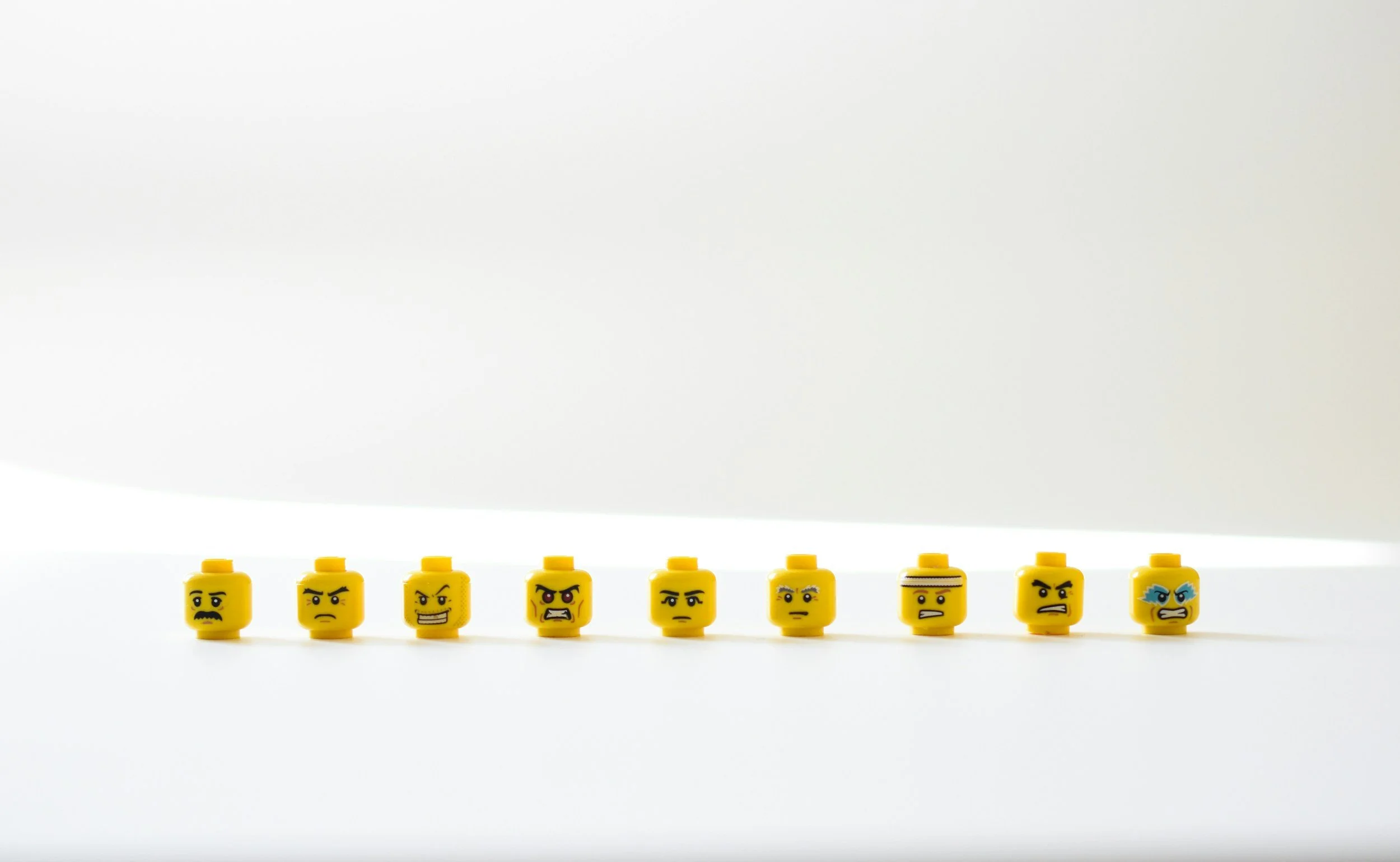
It’s as strange to me as sinking my teeth into a slice of pizza with no cheese on it. Or, to boot up a single-player video game and be bombarded with a login screen. Emotions, in all their bittersweet glory, are trying to tell us something... until we choose not to listen to them.
If we’re angry, we may lash out. If we’re depressed, we may sink into our beds. When we’re heartbroken, we stray away from the idea of love. Such is the consequential truth of dealing with our emotions.
And, that’s where a fallacy lies; do we have to deal with them? What happens if we avoid them altogether?
Like the cat that visits our house and asks for more food. We’ve fed her once, twice, and thrice. But the fourth time, we tell her, “That’s it! I’m going to stop feeding you. Eventually, you’re going to stop asking, right?”
The Illusion of Psychological Control
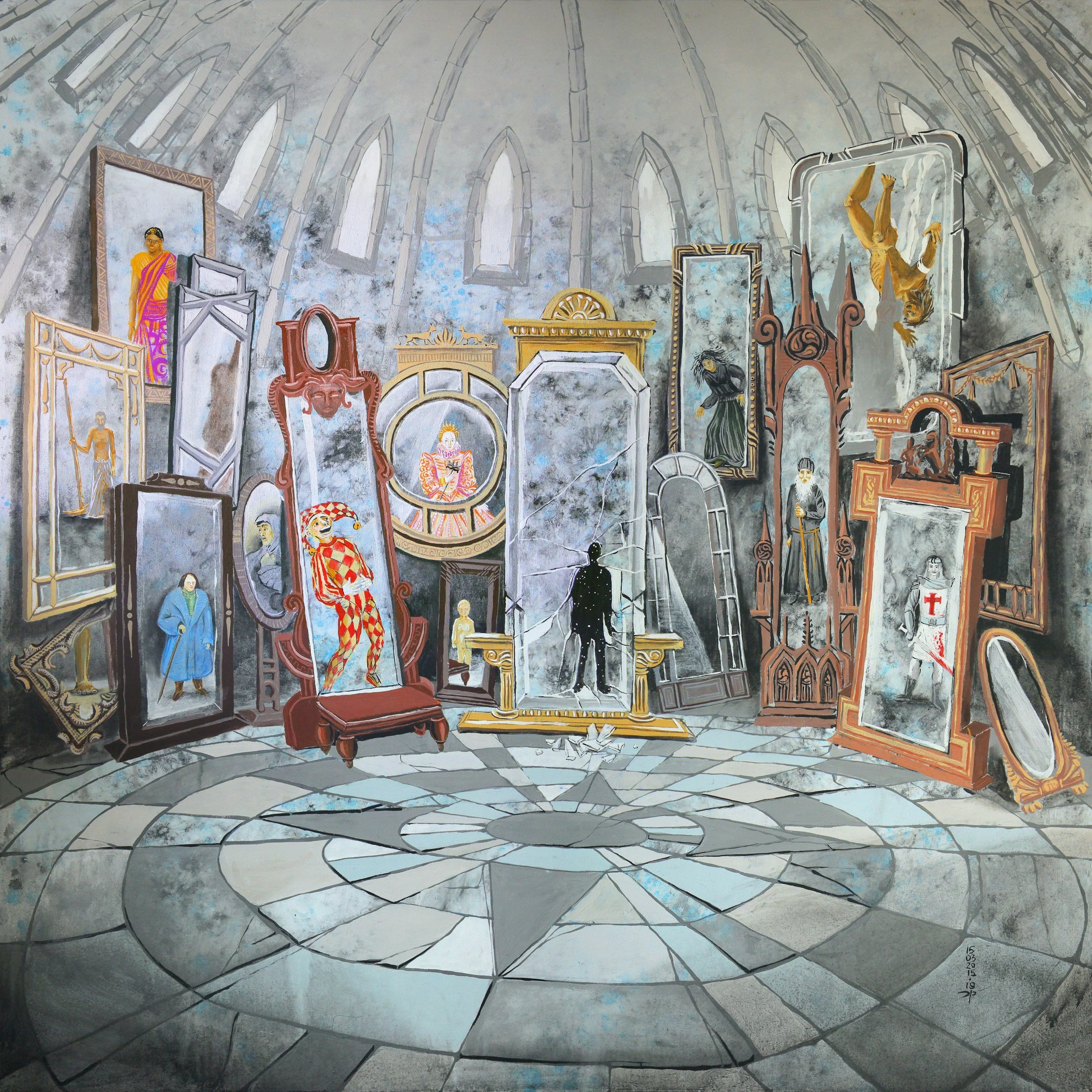
“What you resist not only persists but will grow in size.” - Carl Jung
To many, it seems fascinating how years of marriage can turn into a cold divorce after one harsh conversation. But therein lies the harshness of psychological burden. Things that were unsaid, unkempt, and hidden finally find a means to navigate their true selves.
Carl Jung famously wrote about the “Shadow Self,” a part of one’s unconscious being that plays by its own rules.
Those sexy kinks we want to perform with our partners, but we refuse to voice, or those terrifying thoughts about tripping a child because we didn’t like his nose-snot. Or, perhaps all the kind words we have to say about our boss’s wife, which we really shouldn’t because losing a job isn’t on our agenda.
Where do these thoughts go?
Catch 22! They don’t travel anywhere; they transform. They stay, hidden perhaps, in a part of our psyches where other secrets live in harmony.
Emotions are like pop music. You may or may not like the songs, but you’ll face the music somewhere in the world. When, as a hip-hop connoisseur, all you wanted was a cup of tea at your favorite cafe in peace, and they welcomed you with a Taylor Swift playlist sprinkled with Ed Sheeran to perfectly ruin your day.
What You Don’t Feel Doesn’t Leave
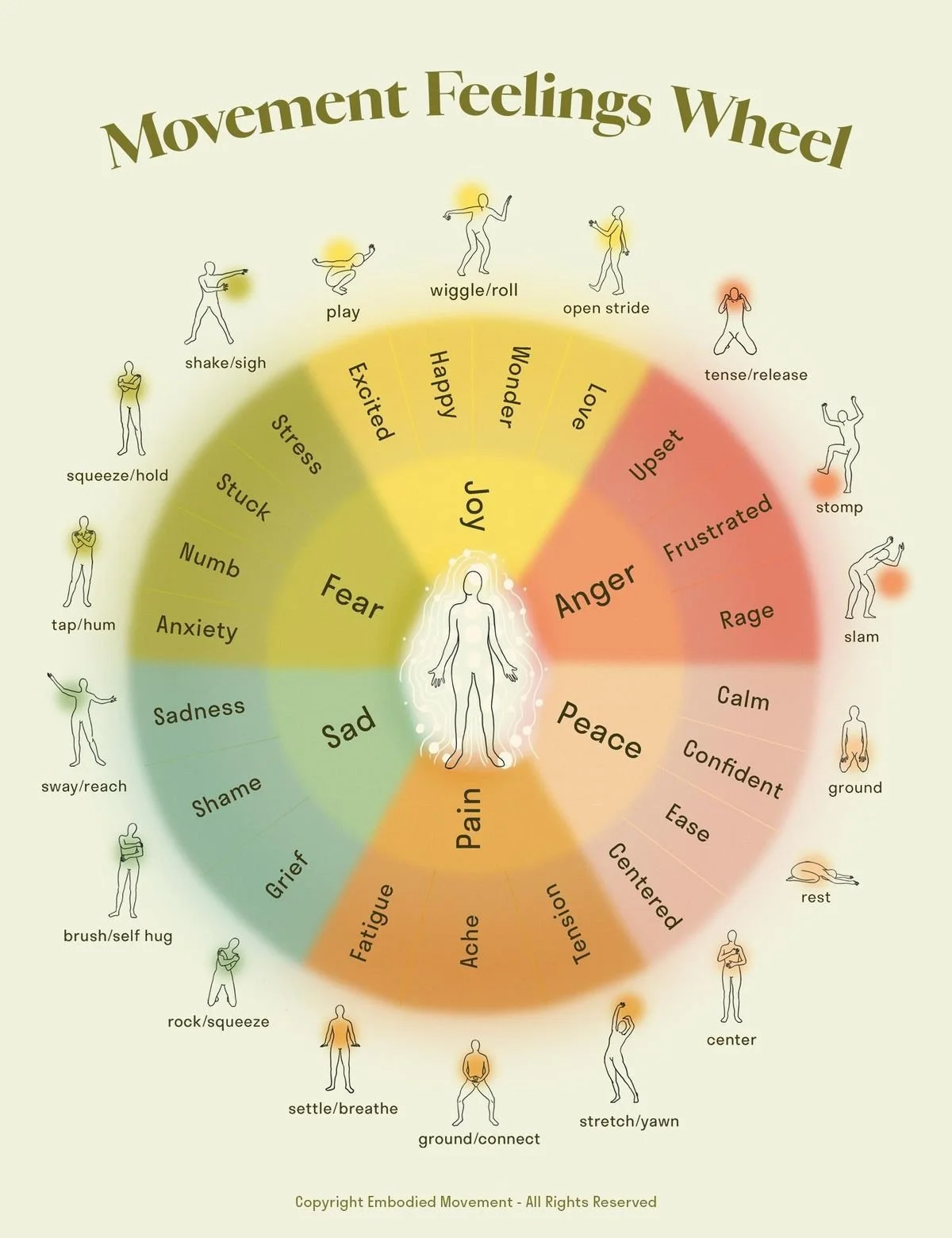
“If you can’t feel it, you can’t name it. If you can’t name it, you can’t regulate it.” - Van der Kolk
Emotions don’t stay in one place. They convert into things we may or may not be ready for.
There’s a fascinating book by Bessel van der Kolk called The Body Keeps the Score. It’s one of those books that therapists often treat with care and respect, because it attempts to explain what happens to our emotions when we refuse to regulate them.
Our bodies go into loops if we refuse to feel something.
For instance, there came a day when we were looking forward to meeting a friend whom we’ve known for decades. It’s been months since we caught up with them, and the idea of seeing a face that brings back memories, nostalgia, love... who would say no to that?
We reach the spot on time. We’re moderately well-dressed; not too neat, not too shabby. Like a friend, like someone we’ve known for ages.
We wait. Time flies by. The coffee’s cold. The waiters are starting to look at us with sympathy. It creeps in - feelings of disappointment and betrayal. Then, our phone buzzes and lights up:
Hey, sorry! Won’t be able to make it. Next time? Peace.
Let’s keep going; what are we feeling?
Disappointment, betrayal, anger, and sadness, perhaps?
The nice people of the world may struggle even more with this. We’re extremely empathetic to the shortcomings of others, so we let it pass. We smile, say, “Sure!” and move on.
And our bodies store these emotional blueprints. The future won’t be kind to us, for it’ll prompt triggers for these very emotions to show up again.
Anger will lead to snapping, distancing, or seeking control.
Betrayal will lead to suspicion, testing, and withdrawal from shared activities.
Sadness will lead to shutting down or isolation.
Disappointment will lead to detachment.
“I don’t care!” We tell ourselves, when we actually do.
Our physiological symptoms become messengers for these unfelt emotions: a drop in energy levels, a raised heart rate, a locked jaw, and tightening of the chest. Everything at the cost of not feeling our emotions.
Integration as a Path Forward
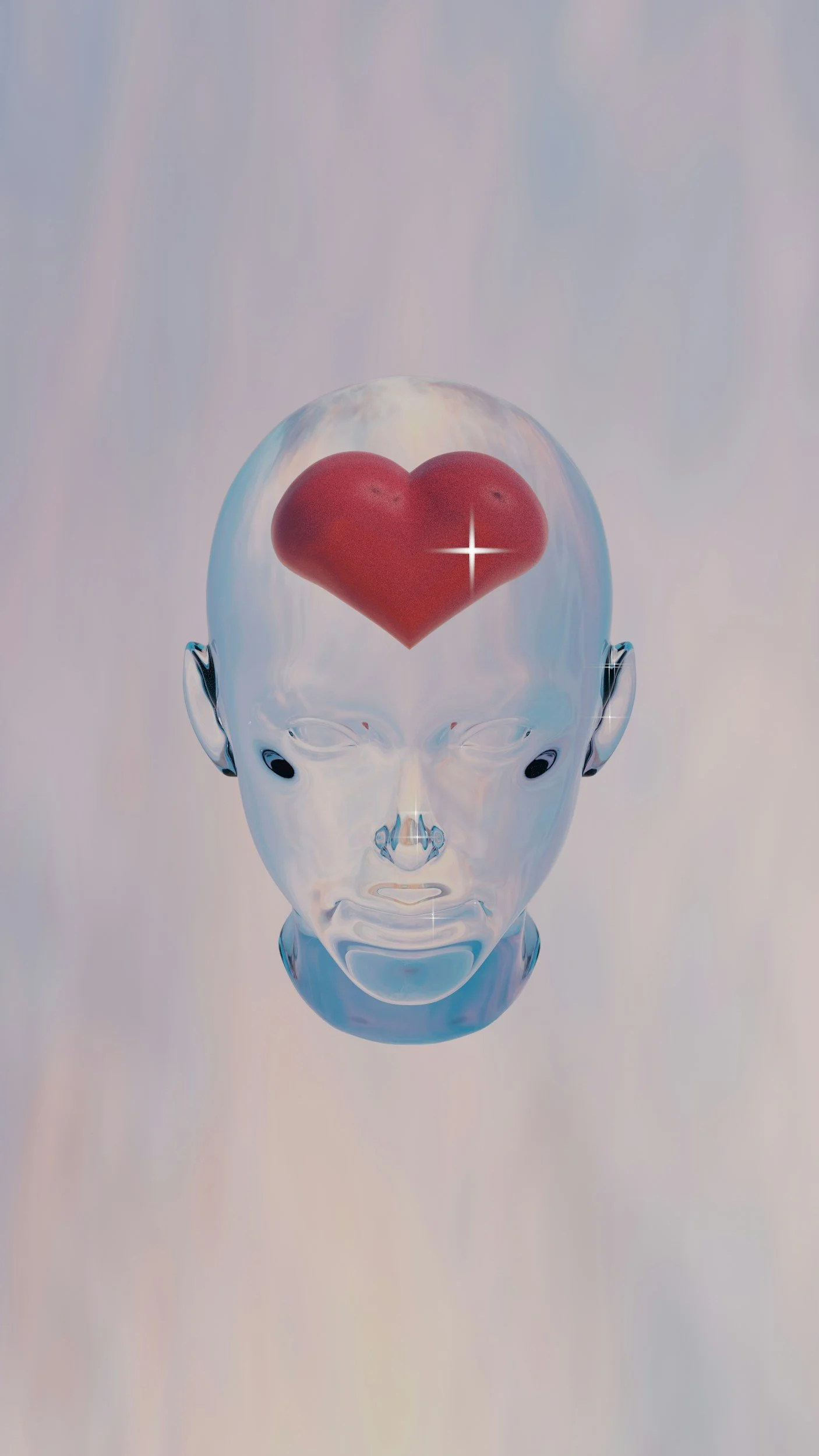
“Until you make the unconscious conscious, it will direct your life, and you will call it fate.” - Carl Jung.
Integration refers to pointing out our thoughts, naming our emotions, and relating to them. We don’t want to be run by an emotion; we want to relate to it. It’s the difference between “I’m pissed at her right now!” and “I’m upset with her. But this feeling is mine to feel.”
Creating this sense of emotional safety lets us integrate our thoughts and feelings. It gives us a canvas to paint our behavior on, rather than being consumed by it. Integration is a step towards action. Once we’ve named what we feel, we build a better relationship with it.
When raw emotions evolve, they turn into actionable decisions. When they’re integrated, they improve their function:
Anger → clarity + boundaries
Sadness → depth + meaning
Betrayal → discernment
Disappointment → recalibration of expectations
Notice the difference?
The more we practice integration, the closer we are to individuation—a term Jung used to set a goal for ourselves. Individuation is a state of being where we feel less split internally, less dependent on external validation, and more aligned with our true nature.
I believe most of us can reach that place and build a home within ourselves where safety, security, and love exist through emotional intelligence. Naming and harnessing our emotions can be the foundation upon which we build this home.
We can choose to avoid our emotions, but we can’t choose who we become as a consequence.
